Blog
How Smart Forklifts and Telematics Are Changing Warehouse Productivity

How Smart Forklifts and Telematics Are Changing Warehouse Productivity
Warehouse operations are under more pressure than ever. Rising customer expectations, tighter delivery windows, labour shortages, and increasing operating costs mean businesses must find smarter ways to improve efficiency. One of the biggest game-changers in modern materials handling is the rise of smart forklifts and telematics technology.
At PHL (phl.co.uk), we’re seeing first-hand how connected forklift fleets are transforming warehouse productivity, safety, and cost control across the UK.
What Are Smart Forklifts?
Smart forklifts are materials handling vehicles equipped with advanced sensors, onboard computers, and connectivity tools that collect and transmit real-time data. When combined with forklift telematics systems, these machines provide valuable insights into how equipment is used, who is operating it, and how efficiently your warehouse is running.
Unlike traditional forklifts, smart forklifts don’t just move loads — they generate actionable data that helps businesses make better operational decisions.
What Is Forklift Telematics?
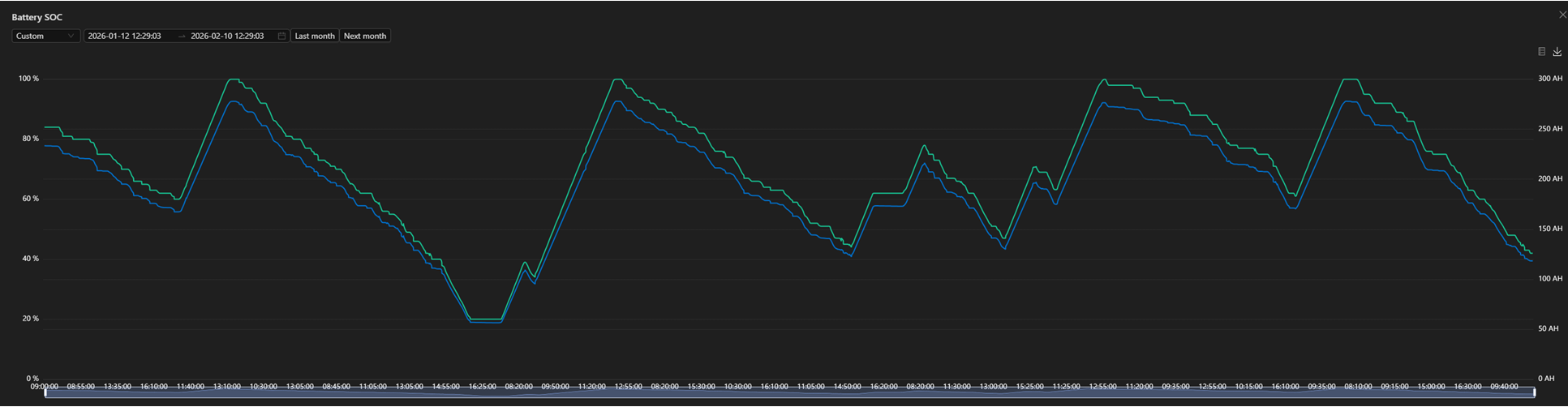
Forklift telematics refers to technology that tracks and analyses fleet activity. Using wireless data transmission, telematics systems monitor factors such as:
-
Forklift usage hours
-
Operator behaviour
-
Battery or fuel consumption
-
Impact and collision events
-
Maintenance alerts
-
Idle time and utilisation rates
This data is typically accessed via a cloud-based dashboard, giving warehouse managers real-time visibility across their entire forklift fleet.
Boosting Warehouse Productivity Through Data
One of the biggest advantages of smart forklifts is their ability to identify inefficiencies that often go unnoticed.
Telematics data can reveal:
-
Forklifts sitting idle for long periods
-
Bottlenecks in picking or loading zones
-
Underutilised or overworked equipment
-
Inefficient shift patterns
By analysing this information, warehouse managers can optimise workflows, reassign equipment, and reduce wasted time. Even small improvements in forklift utilisation can lead to significant productivity gains across large operations.
Reducing Downtime with Predictive Maintenance
Unplanned forklift breakdowns are one of the leading causes of warehouse disruption. Smart forklifts help tackle this problem through predictive maintenance.
Telematics systems monitor key components and alert managers when a forklift needs servicing — before a breakdown occurs. This allows maintenance to be scheduled during off-peak hours, reducing downtime and extending equipment lifespan.
For businesses investing in forklift hire or fleet management services from PHL, this proactive approach leads to lower repair costs and improved equipment availability.
Improving Operator Safety and Accountability
Forklift safety is critical in any warehouse environment. Smart forklifts enhance safety by tracking operator behaviour and vehicle impacts.
Key safety benefits include:
-
Monitoring speeding, harsh braking, and unsafe turns
-
Recording collision and impact events
-
Restricting forklift access to trained or authorised operators
-
Identifying high-risk zones within the warehouse
With this data, businesses can provide targeted training, reduce accidents, and maintain compliance with UK health and safety regulations. Safer operations also mean fewer delays, less damage to goods, and lower insurance costs.
Supporting Electric Forklift Fleets
As more UK warehouses move toward electric forklifts, telematics plays an even bigger role. Smart systems track battery health, charging patterns, and energy usage.
This helps businesses:
-
Prevent battery misuse or over-charging
-
Optimise charging schedules
-
Extend battery life
-
Reduce energy costs
For companies focused on sustainability and carbon reduction, smart forklifts provide the data needed to support greener warehouse operations.
Better Fleet Planning and Cost Control
Forklift telematics removes guesswork from fleet management. Instead of relying on estimates, managers can make decisions based on real usage data.
This includes:
-
Determining the right number of forklifts needed
-
Deciding between forklift hire, lease, or purchase
-
Identifying when older equipment should be replaced
-
Comparing performance across sites
For customers of PHL, this insight helps ensure they are investing in the right materials handling equipment for their specific operational needs.
Integration with Warehouse Management Systems
Modern smart forklifts can integrate with warehouse management systems (WMS), creating a fully connected operation. This allows forklift activity to align with picking routes, inventory movement, and order fulfilment priorities.
The result is smoother workflows, faster order processing, and better overall warehouse performance.
The Future of Forklift Technology
Smart forklifts and telematics are no longer “nice to have” — they are becoming a standard part of competitive warehouse operations. As technology continues to evolve, we can expect even greater automation, AI-driven insights, and real-time optimisation.
Businesses that adopt these technologies early are better positioned to scale, control costs, and meet customer demands.
How PHL Can Help
At PHL (phl.co.uk), we help UK businesses unlock the full potential of smart forklift technology. Whether you’re looking for forklift hire, fleet management, or expert advice on telematics solutions, our team can support you every step of the way.
If you’re ready to improve warehouse productivity, reduce downtime, and gain full visibility over your materials handling operation, smart forklifts are the future — and the future is already here.
Subscribe
Keep up to date with PHL and all things forklift machinery.