Blog
The Rise of Autonomous Forklifts: How AI Is Transforming Warehouse Operations in 2026

The Rise of Autonomous Forklifts: How AI Is Transforming Warehouse Operations in 2026
The forklift industry is undergoing a major transformation. As businesses face increasing pressure to improve efficiency, reduce costs, and address labour shortages, autonomous forklifts are quickly becoming a key part of modern warehouse operations.
For companies like PHL and its customers, understanding how AI in warehouse logistics is reshaping the industry is essential to staying competitive in 2026 and beyond.
What Are Autonomous Forklifts?
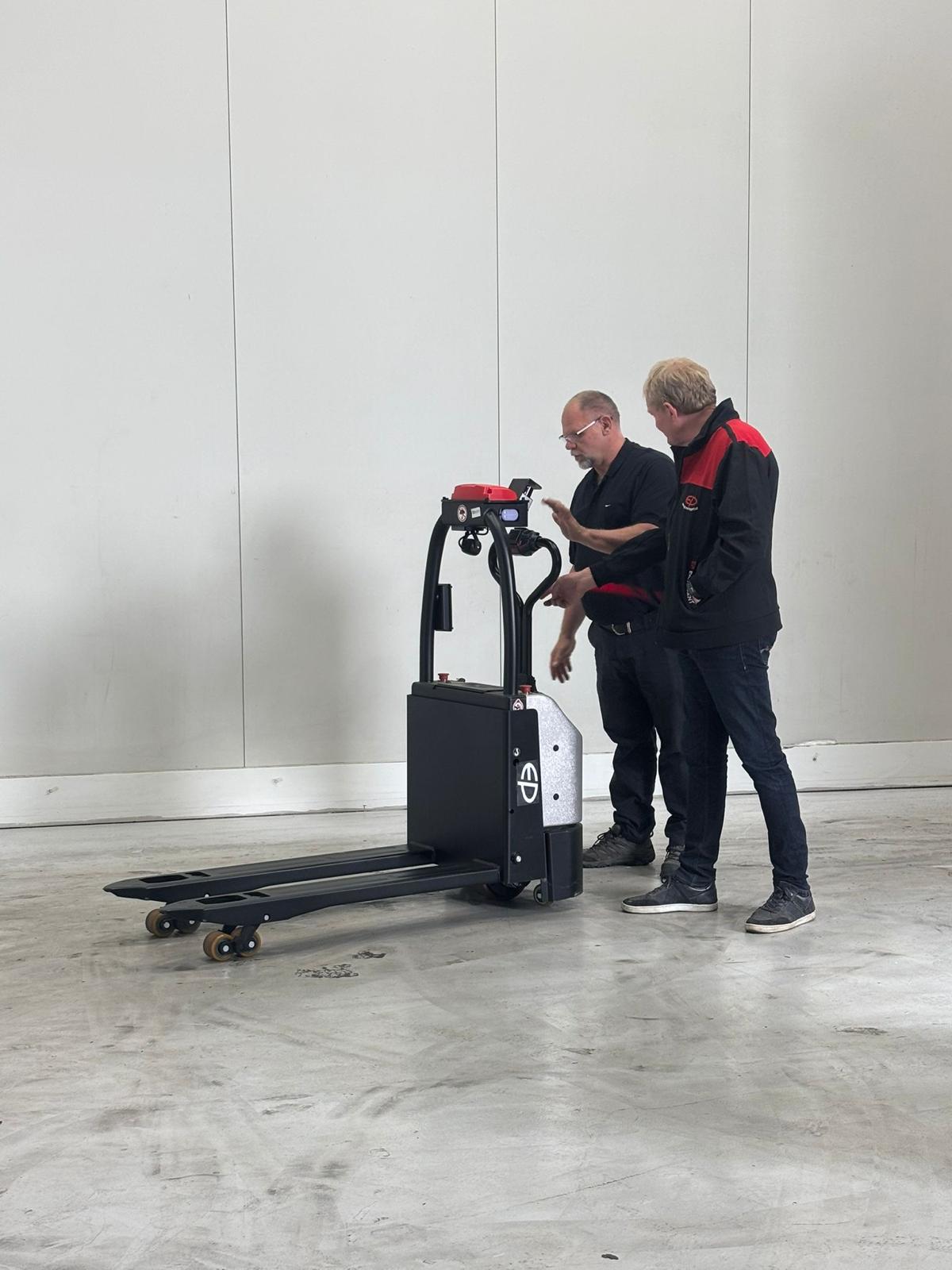
Autonomous forklifts are self-driving machines that can move, lift, and transport goods without direct human control. Using a combination of sensors, cameras, and artificial intelligence, these machines can navigate warehouses safely and efficiently.
Unlike traditional forklifts, autonomous models rely on advanced technologies such as:
- LiDAR and 3D mapping
- Machine learning algorithms
- Real-time data processing
- Integrated warehouse management systems
These innovations are driving the rise of self-driving forklifts in 2026, making them more accessible and practical for a wide range of industries.
Why Autonomous Forklifts Are Trending in 2026
1. Labour Shortages in Logistics
One of the biggest challenges facing the logistics sector is the shortage of skilled forklift operators. Autonomous forklifts help bridge this gap by reducing reliance on manual labour while maintaining productivity.
2. Increased Demand for Warehouse Automation
The growth of e-commerce has accelerated the need for faster and more accurate order fulfilment. Businesses are investing heavily in warehouse automation trends to keep up with demand, and autonomous forklifts play a crucial role in this shift.
3. Cost Efficiency and ROI
While the initial investment may seem high, autonomous forklifts offer long-term savings through:
- Reduced labour costs
- Fewer accidents and damage incidents
- Increased operational uptime
For many businesses, the return on investment becomes clear within a few years.
Autonomous Forklifts vs Traditional Forklifts
Understanding the differences between autonomous and manual forklifts is key when considering an upgrade.
Traditional Forklifts
- Require trained operators
- Higher risk of human error
- Flexible in unpredictable environments
Autonomous Forklifts
- Operate independently or semi-autonomously
- Use AI for navigation and decision-making
- Ideal for repetitive and structured tasks
For many warehouses, the best approach is a hybrid model, where autonomous forklifts handle repetitive tasks while skilled operators manage complex operations.
Real-World Applications
Autonomous forklifts are already being used across various industries, including:
Retail and E-commerce
Large distribution centres use autonomous forklifts to move pallets quickly and efficiently, especially during peak seasons.
Manufacturing
Factories rely on self-driving forklifts to transport materials between production lines, improving workflow consistency.
Logistics and Warehousing
Third-party logistics providers are adopting AI in warehouse logistics to enhance accuracy and reduce turnaround times.
Key Benefits for Businesses
Improved Safety
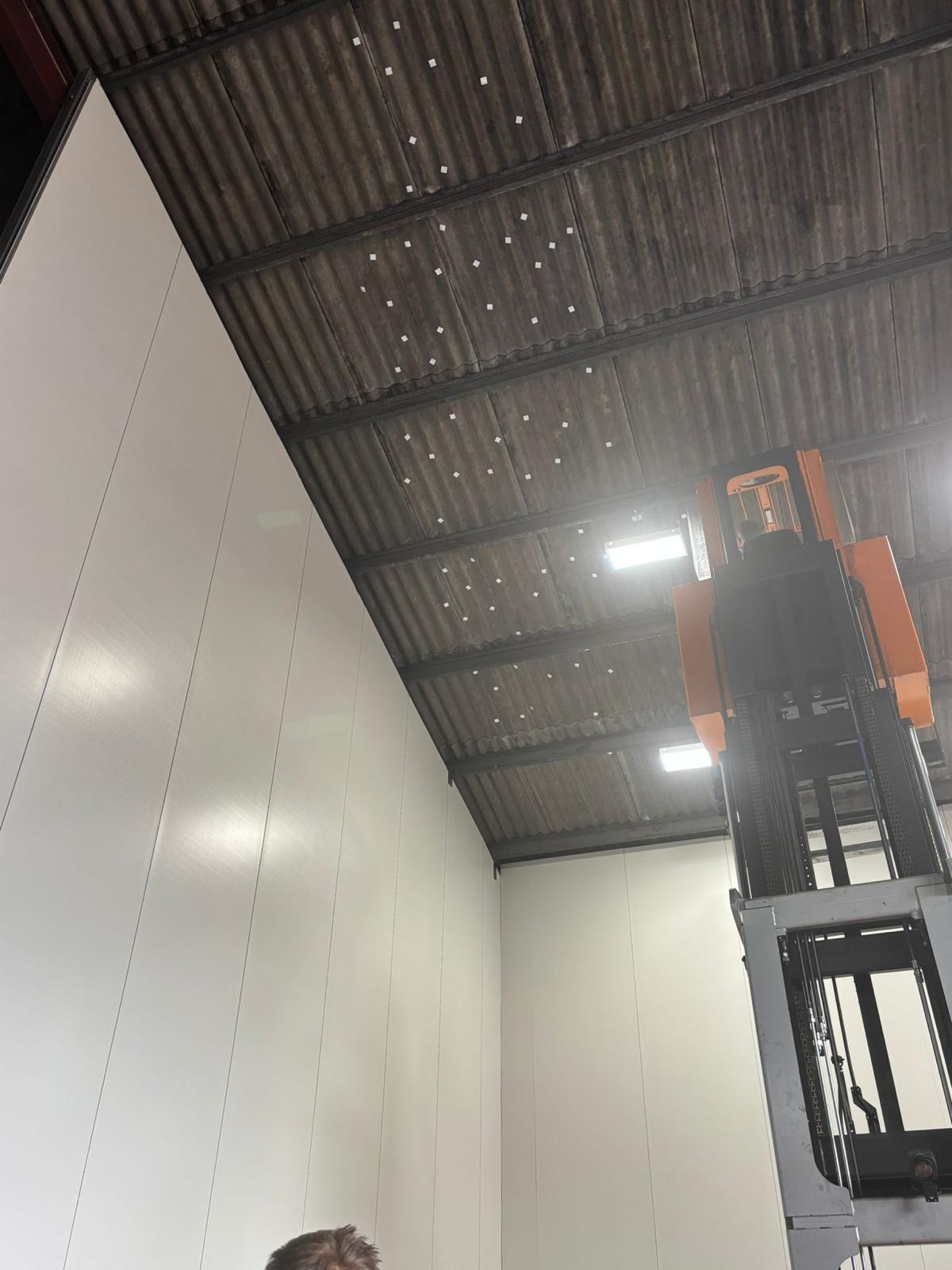
Workplace safety is a major concern in warehouse environments. Autonomous forklifts are equipped with advanced safety features such as:
- Collision detection systems
- Automatic braking
- Obstacle avoidance
These features significantly reduce the risk of accidents compared to manually operated forklifts.
Greater Efficiency
Autonomous forklifts can operate 24/7 without fatigue, ensuring consistent productivity. They also optimise routes in real time, reducing travel time and increasing throughput.
Data-Driven Insights
One of the biggest advantages of autonomous systems is the ability to collect and analyse data. Businesses can gain insights into:
- Workflow efficiency
- Equipment usage
- Bottlenecks in operations
This data allows companies to make smarter decisions and continuously improve performance.
Challenges to Consider
While the benefits are clear, there are some challenges businesses need to address:
Initial Investment
The upfront cost of autonomous forklifts can be significant. However, this should be weighed against long-term savings and efficiency gains.
Integration with Existing Systems
Implementing autonomous forklifts requires integration with warehouse management systems and infrastructure upgrades in some cases.
Workforce Adaptation
Automation doesn’t eliminate jobs—it changes them. Employees may need training to work alongside autonomous systems and manage new technologies.
The Future of Forklifts
The future of the forklift industry is undoubtedly moving toward automation. As technology continues to advance, autonomous forklifts will become more:
- Affordable
- Flexible
- Intelligent
We can expect to see even greater adoption of self-driving forklifts in 2026 and beyond, particularly as AI continues to evolve.
How PHL Can Support Your Transition
At PHL, we understand that every business has unique operational needs. Whether you're exploring autonomous forklifts, upgrading your fleet, or looking to improve efficiency through warehouse automation trends, our team is here to help.
We offer:
- Expert advice on the latest forklift technologies
- Tailored solutions for your warehouse environment
- Ongoing support and maintenance services
By partnering with PHL, you can confidently navigate the shift toward AI in warehouse logistics and future-proof your operations.
Final Thoughts
Autonomous forklifts are no longer a futuristic concept—they are a practical solution for modern warehouses. As businesses continue to adopt automation, those who embrace these technologies early will gain a significant competitive advantage.
If you're looking to improve efficiency, enhance safety, and stay ahead of industry trends, now is the time to explore how autonomous forklifts can transform your operations.
Subscribe
Keep up to date with PHL and all things forklift machinery.